
Digital systems depend on order. Every file, tool, and resource must stay easy to locate and manage. Without clear identification, systems become confusing and inefficient. This is why structured identifiers exist in modern environments. They bring clarity where complexity naturally grows. These identifiers 2003xi3rika are structured naming formats that allow to keep the order in the systems. It assists in identifying one thing over the other without having to use words of description. This will eliminate duplication and enhance the accuracy of tracking. A large number of online resources require such identifiers to facilitate the workflows.
What is 2003xi3rika?
The identifier 2003xi3rika serves as a unique reference within structured systems. It allows digital platforms to distinguish specific items quickly and accurately. Unlike regular names, identifiers avoid confusion caused by similar or repeated labels. This improves system clarity and operational efficiency.
Identifiers like 2003xi3rika do not rely on meaning or description. Their value comes from uniqueness and consistency. This makes them useful in environments where precision is critical. As systems evolve, identifiers remain stable and continue providing reliable references.
Structural Design Strength and Recognition Value of 2003xi3rika
The structure of 2003xi3rika combines letters and numbers in a balanced format. This combination improves uniqueness and prevents duplication. Numbers often provide sequence or classification. Letters add variation and help maintain distinct identity.
This balanced structure ensures reliable recognition. Even in large databases, identifiers remain easy to locate. Their visual format helps users recognize them quickly. Over time, repeated use builds familiarity and trust.
The table below explains how structural elements improve identifier strength:
| Structural Element | Purpose | System Benefit |
| Numbers | Provide sequence | Improve organization |
| Letters | Add uniqueness | Prevent duplication |
| Combined format | Increase variation | Ensure accurate identification |
This structure allows identifiers to remain effective across different systems. The format also supports scalability. As more identifiers are added, the structure maintains clarity. This prevents confusion and ensures system stability.
How 2003xi3rika Improves Digital Asset Management and Tracking
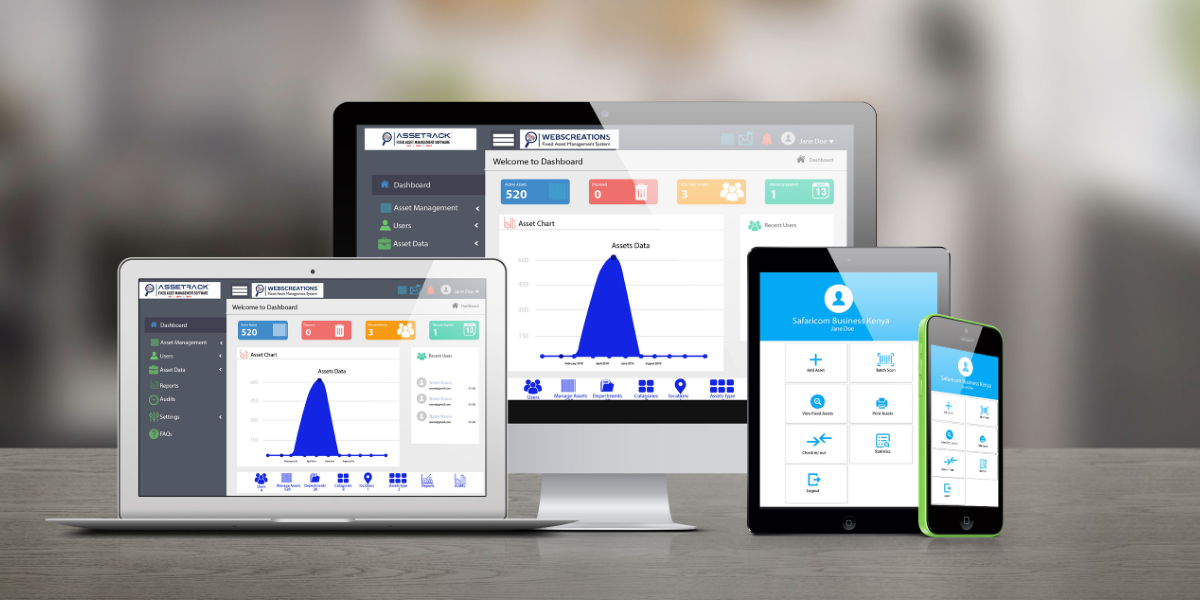
Digital asset management requires precise identification. Systems must track files, tools, and resources without error. Identifiers like 2003xi3rika help achieve this goal by providing reliable references.
When assets receive identifiers, tracking becomes easier. Systems locate files instantly without manual searching. This improves efficiency and reduces operational delays. Teams can focus on productivity instead of searching for resources.
The table below highlights asset management improvements:
| Asset Management Task | Without Identifier | With Identifier |
| File retrieval | Time-consuming | Immediate |
| Asset tracking | Difficult | Accurate |
| System organization | Disorganized | Structured |
Identifiers improve workflow accuracy and reliability. As asset volume increases, identifiers continue supporting efficient management. This ensures long-term system organization.
Role of 2003xi3rika in Workflow Coordination and Communication
Workflow coordination depends on clarity. Teams must reference the same resources accurately. Identifiers like 2003xi3rika help achieve this by providing clear references. Without identifiers, teams rely on descriptions. Descriptions often cause confusion. Identifiers eliminate this problem by providing precise references.
Workflow improvements include the following:
- Faster resource identification
- Reduced communication errors
- Improved task coordination
- Increased operational efficiency
These benefits improve team productivity and workflow stability. Identifiers also support remote collaboration. Teams working in different locations can reference the same resources easily. This improves coordination across distributed environments.
Importance of Consistency and Documentation in Using 2003xi3rika
Consistency ensures identifier effectiveness. Once assigned, identifiers must remain unchanged. Changing identifiers creates confusion and disrupts system continuity. Documentation plays an essential role in identifier usage. It explains what each identifier represents. This ensures all users understand system structure and organization.
The following table explains documentation benefits:
| Documentation Purpose | Result |
| Record identifier meaning | Improved clarity |
| Maintain system continuity | Long-term stability |
| Support team onboarding | Faster learning |
Proper documentation improves system reliability. Consistency also improves recognition. Teams learn identifiers quickly and use them confidently. This improves workflow efficiency.
Scalability Benefits and Long-Term System Value of 2003xi3rika
Scalability is essential in growing systems. As organizations expand, they manage more data and resources. Identifiers like 2003xi3rika support this growth by maintaining structure. Without identifiers, system complexity increases rapidly. Managing large volumes becomes difficult. Identifiers prevent this problem by providing organized references.
Growth comparison explains this clearly:
| System Size | Without Identifiers | With Identifiers |
| Small | Manageable | Organized |
| Medium | Complex | Structured |
| Large | Difficult to control | Efficient |
Identifiers support growth at every stage. They ensure systems remain stable and functional. This improves long-term efficiency.
Practical Applications of 2003xi3rika Across Digital Environments
Structured identifiers are widely used across industries. They help manage digital assets, workflows, and internal systems. Their flexibility makes them valuable in various environments. Common applications include digital asset tracking, workflow coordination, database management, and internal project organization. These applications improve system clarity and efficiency.
For example, a digital agency managing client resources assigns identifiers to each project. This allows quick access and efficient tracking. Teams can locate resources without confusion. Structured identifiers also support automation. Automated systems rely on identifiers to perform tasks accurately. This improves operational efficiency and reduces manual workload.
Real Example Showing Efficiency and Workflow Improvement
A digital organization once faced workflow delays due to poor file tracking. Employees spent hours searching for resources. This reduced productivity and increased frustration. After implementing structured identifiers, system performance improved significantly. Employees located files instantly. Workflow speed increased, and errors decreased.
Performance comparison explains the improvement:
| Workflow Metric | Without Identifiers | With Identifiers |
| File search time | Long | Instant |
| Workflow efficiency | Low | High |
| Resource accuracy | Unreliable | Reliable |
This example shows the real value of structured identification. Identifiers improve workflow clarity and operational efficiency.
Why Modern Systems Depend on Structured Identifiers Like 2003xi3rika
Modern digital systems manage large volumes of information. Without identifiers, managing this information becomes inefficient. Structured identifiers provide clarity and stability. They support system organization and improve tracking accuracy. This ensures smooth system operation. Identifiers also improve communication and workflow coordination. Their structured format ensures long-term usability. Systems remain organized even as complexity increases. This makes identifiers essential for digital environments.
Conclusion:
The identifier 2003xi3rika demonstrates how structured naming improves digital organization and workflow efficiency. Its balanced format ensures uniqueness and supports reliable tracking. It improves communication, enhances scalability, and maintains system clarity. Organizations benefit from its consistent and flexible structure.
As digital systems grow, identifiers like 2003xi3rika become essential tools. They support efficient management, reduce errors, and improve productivity. Using structured identifiers ensures long-term system stability and reliable performance.
Also Read About :- Find 1.5f8-p1uzt Guide