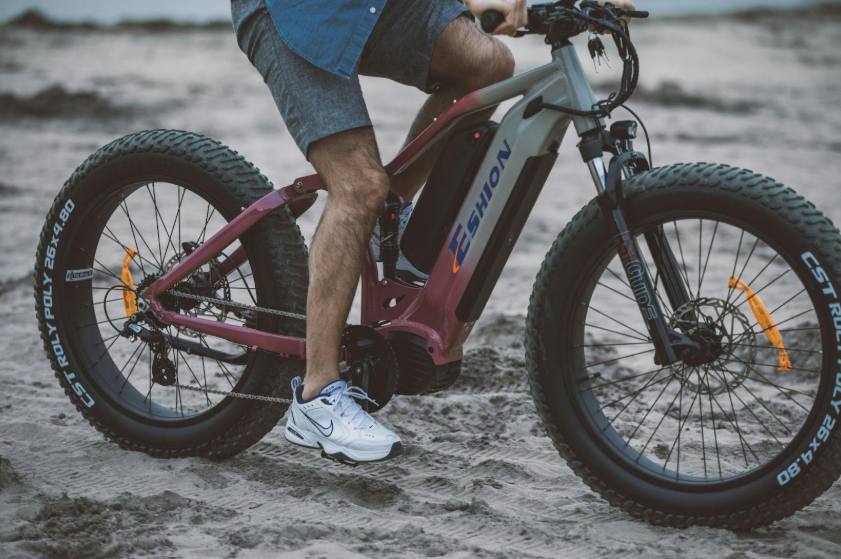
City bike rides can be exciting, freeing, and a great way to explore your surroundings—but they also come with challenges. Busy streets, traffic, and unexpected obstacles can turn a fun ride into a stressful one if you’re not prepared. The good news is that with the right mindset and a few smart habits, city biking can be both safe and enjoyable. Whether you’re riding to work or just cruising for fun, knowing how to handle street rides makes all the difference. In this guide, we’ll share practical tips to help you ride confidently and enjoy every city ride.
Route Strategy for Better Street Rides (Safety + Fun + Efficiency)
You’ve nailed lane positioning and intersection tactics—that dramatically slashes your risk profile. But why subject yourself to the most stressful roads when smarter route choices can eliminate half the hazards before you even start pedaling? Let’s explore designing street rides that are safer, faster, and genuinely more enjoyable by choosing *where* you ride, not only *how* you ride.
Selecting streets that feel safer even if they’re not the shortest
Give priority to protected bike lanes, low-speed residential streets, and roads with generous shoulders over high-speed arterials with narrow lanes and impatient traffic. Trading three to eight extra minutes for dramatically fewer conflict points transforms your daily ride from nerve-wracking to actually manageable. Think in terms of a “comfort score”—routes that let you relax and hold steady speed often prove faster in reality because you’re not constantly braking or dodging hazards.
City Street Rides Readiness Check (60-Second Start)
You’re excited to get out there. But before you even swing your leg over the saddle, experienced city cyclists run through a lightning-fast diagnostic. It takes sixty seconds and catches problems before they turn into close calls.
Quick pre-ride scan (body, bike, and route)
Start with yourself. Hydrated? If you’re planning to be out longer than twenty minutes, grab that water bottle now. Visibility decides whether drivers notice you—so when twilight’s approaching or it’s already dark out, double-check that your front and rear lights are charged and locked down tight. Then move to bike fundamentals: squeeze both brake levers hard and confirm they engage with authority, press your thumbs into each tire to verify firm pressure, and give the pedals a spin to make sure your chain glides without any weird grinding or skipping.
Take fifteen seconds to eyeball your planned route. Construction alerts? Weather shifts? Rush hour timing? Knowing when the sun drops helps you dodge getting stranded in darkness with dead lights, and spotting construction early means you can reroute calmly instead of making panicked swerves mid-ride.
The “3 risk zones” to anticipate every ride
Every city ride involves three predictable danger spots. Intersections breed conflict—drivers and cyclists cross paths in ways neither expects. Door zones lurk alongside parked cars, where a suddenly flung-open door can launch you straight into traffic. Merges squeeze you when lanes narrow, pushing you toward the curb or forcing vehicles uncomfortably close. Build a simple mental framework for each zone: anticipate what could go wrong, position yourself to minimize exposure, and only proceed when you’ve got clear space.
Bike Setup and Gear That Makes Street Rides Safer (and More Comfortable)
Your situational awareness is sharp now. But even perfect vigilance can’t save you when your lights are too dim or your brakes are shot and a driver cuts across your path without looking. Let’s talk about equipping your bike so your gear does real protective work—not just your intentions.
Helmet fit + urban riding eyewear essentials
Helmets only deliver protection when they sit level (not tipped backward) with side straps forming a neat “V” beneath each ear and the chin strap snug enough that you can barely slide one finger under it. Swap out helmets every five years minimum, or immediately after any impact. For eyewear in the city, you want lenses that knock down glare during daylight and boost contrast once the sun drops—clear or amber beats dark tints after dusk.
Lights and reflectivity for being seen (not just seeing)
Your front light needs to push at least 200 lumens to register in traffic; bump that to 500+ if you’re tackling unlit roads. Rear lights with flashing modes catch driver attention far better than steady beams. Don’t forget side visibility—spoke reflectors or reflective ankle bands help drivers on cross streets actually see you coming. Daytime running lights? They’re not overkill. In cities where bright storefronts and LED signage create visual chaos, cyclists disappear into the background noise.
When you’re sourcing components for wet-weather braking or puncture protection, working with trusted Canadian e-bikes and electric scooters retailers means you’re getting equipment designed for North American streets and backed by support you can actually reach. Local expertise matters—you ride with more confidence when your setup matches the specific challenges of city pavement and year-round weather swings.
Tires, brakes, and fenders optimized for city pavement
Wider tires in the 28-35mm range soak up bumps and boost comfort, though narrower options roll marginally faster on glass-smooth pavement. Go for puncture-resistant designs with reinforced sidewalls or internal belts—fixing flats in moving traffic is both hazardous and infuriating. Test your brakes in wet conditions at slow speed so you understand actual stopping distances. Disc brakes typically outperform rim brakes when roads are slick, but both types demand regular pad inspections. Fenders keep road spray off your clothing and drivetrain, transforming year-round riding from miserable to manageable.
Street Rides Traffic Skills That Prevent Close Calls
Solid gear gets you visible and prepared. But visibility alone won’t stop the close calls that materialize at intersections and in traffic flow. Let’s dig into the on-bike skills and positioning moves that give you control when drivers do unpredictable things.
Lane positioning that reduces squeeze-passes
Own the center of narrow lanes when there’s not enough width for cars to pass safely—forcing drivers to fully change lanes prevents those terrifying squeeze-passes. On wider streets lined with parked cars, ride outside the door zone (roughly four feet from parked vehicles) instead of hugging the curb. Only stay right when you can hold that safe buffer and when traffic has legitimate room to pass without crowding you.
Intersections: the highest-stakes part of street rides
Position yourself where turning drivers can actually see you—not tucked invisibly behind their A-pillar blind spot. Eye contact helps when you can get it, but always operate as if you’re invisible and watch for turn signals or wheel movement. Two-stage left turns—crossing straight through, then turning from the perpendicular position—cut your exposure when traffic is heavy or speeds are high.
So far the data supports a steady decrease in fatalities compared to the last four years , demonstrating that smarter riding habits combined with infrastructure improvements produce measurable safety gains.
Make Street Rides More Fun (Without Taking More Risk)
You’ve built a rock-solid safety foundation—you know how to avoid doors, navigate tracks, and handle conflict zones. But city street rides shouldn’t feel like a defensive driving course. Here’s how to weave in exploration, social connection, and personal challenges that make urban cycling legitimately fun without adding risk.
Gamify your rides safely
Create personal challenges: consistency streaks, “new street Fridays,” or photo scavenger hunts hitting local landmarks. Skip the temptation to race through traffic—save hard efforts for designated paths or parks where you won’t endanger yourself or others.
Common Questions About City Bike Rides
How to make bike rides more fun?
Change up your route and discover new streets. Push your pace and create personal Strava segments to compete against your own times. Swap bikes occasionally, queue up music, bring along a friend, or try on-bike meditation by zeroing in on your breath for the entire ride.
What’s the safest lane position when there’s no bike lane?
Ride outside the door zone—approximately four feet from parked vehicles—and claim the center of narrow lanes when there’s inadequate width for safe passing. This compels drivers to change lanes completely, eliminating dangerous squeeze-passes.
How do I avoid getting doored during street rides?
Scan parked car mirrors for driver silhouettes, look for brake lights or exhaust puffs, and always maintain at least four feet from parked vehicles. That buffer gives you reaction time even when a door flies open without warning.
Your Next Ride Starts Here
Safe city cycling isn’t about fearless bravado. It’s about building practical habits that minimize exposure to the most frequent hazards while keeping rides enjoyable enough that you actually get out regularly. You’ve learned how to scan for trouble, position yourself defensively, select calmer routes, and add fun without unnecessary risks. Start with your very next commute or errand: test one new positioning tactic, try a slightly longer but calmer route, and notice how small adjustments shift your experience from stressful to genuinely manageable.