
The design world is changing more than it has ever changed. Daniel R Locke Virtual AIA, in this change, has become a brand that is identified with innovation, precision, and creativity. This new approach does not use blueprint or 2D drawings only, but it relies on a virtual architecture to enable clients to see what their projects would look like, prior to the construction process.
Such a combination of electronic applications and design intelligence enables architects to design, edit, and deliver projects instantly. Customers are now able to tour their prospective homes, offices, or spaces virtually. This leaves a better understanding of the design but also better communication of architects, engineers, and clients.
Daniel R Locke Virtual AIA influence helps to prove that virtual architecture is not a fiction anymore; it is a revolution, the way buildings are being born.
What Is Daniel R Locke Virtual AIA?
To understand Daniel R Locke Virtual AIA, you need to see it as the meeting point between architectural expertise and digital innovation. It’s an approach that uses virtual reality (VR), artificial intelligence (AI), and building information modeling (BIM) to streamline the entire design process.
In virtual simulations, architects are able to create models that are astonishingly close to reality. These models cannot only be visual, but they also incorporate textures, lighting, and even environmental data that aid in the prediction of the performance that a building would have under varying conditions. That gives the clients a chance to view all the details even before the initial brick has been laid.
How Does the Process Work Step-by-Step?
- Concept Visualization: The design starts with a virtual model, which will allow the clients to view layouts and aesthetics immediately.
- 3D Simulation: Virtual space enables clients to make a walkthrough of the design and gives an opportunity to give feedback more easily.
- Real-Time Adjustments: Adjustments can be made on the fly, and there is no delay cost or redesign cost involved.
- Sustainability Analysis: The software tools check the efficiency of energy and the environmental performance, prior to the construction.
This interactive process makes this vision one of the most efficient and client-friendly approaches in modern architecture.
How Is Daniel R Locke Virtual AIA Transforming Design Collaboration?
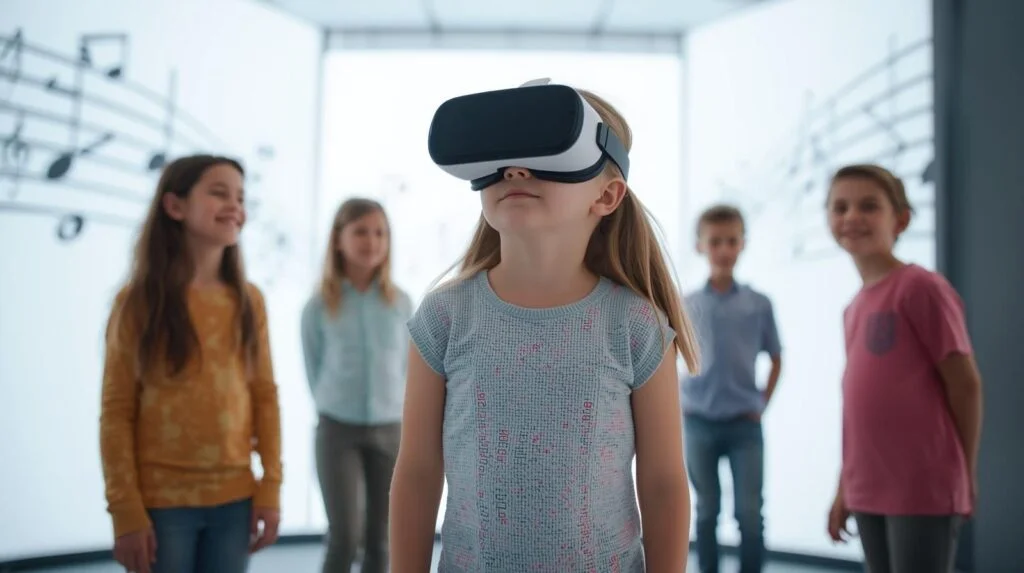
With traditional design, there are usually communication losses between architects, clients, and contractors that can lead to expensive misunderstandings. It addresses this problem by means of online collaboration. It enables all concerned people to view the same virtual model anywhere.
This implies that a designer in London, a client in New York, and an engineer in Dubai can look at the same project at the same time. All the comments and amendments are made immediately, making it fully transparent. The system makes the system free of confusion, time-saving, and better teamwork.
Benefits of Collaborative Virtual Design
| Aspect | Traditional Architecture | Daniel R Locke Virtual AIA |
| Communication | Email and drawings | Real-time shared model |
| Revision Speed | Slow and manual | Instant virtual updates |
| Cost of Changes | High | Minimal |
| Visualization Accuracy | Limited | Highly realistic |
Collaboration becomes seamless, with fewer errors and a smoother workflow from concept to completion.
Why Is Visualization So Important in Virtual Architecture?
In architecture, it is true that seeing is believing. Daniel R Locke Virtual AIA is a whole new level of visualization. Customers do not need to visualize spaces through 3D representation and virtual reality, as they can feel them. You can be in your future living room, and see the way the morning sun is shining into the wall or how the furnishings fit just as they should. This pictorial emotional response helps clients to make sure decisions. It also minimizes the design revision and enhances the satisfaction of the project.
Each presentation is interesting and educational with the help of visualization tools. The process maintains the balance between creativity and realism, whether it is the tweaking of color palettes or the playing around with materials.
How Does Daniel R Locke Virtual AIA Promote Sustainability in Design?
Sustainability is not a choice, but a necessity. It incorporates green approaches to all undertakings with the aid of best simulation software. Lighting, ventilation, and energy flow are the aspects that, when analyzed, will enable architects to find sustainable solutions at an early stage of the design phase.
Virtual modeling also assists in testing many materials with regard to their cost efficiency and environmental impact. The system guarantees that all the design decisions are aimed at ensuring long-term sustainability. Such a proactive measure will result in energy-efficient buildings, which will lessen the carbon footprint of such buildings.
Sustainable Design Practices in Daniel R Locke Virtual AIA
| Design Element | Sustainable Approach | Result |
| Lighting Design | Simulated daylight optimization | Reduced power consumption |
| Building Materials | Recyclable and low-carbon options | Eco-friendly construction |
| HVAC Planning | Energy modeling in simulation | Efficient climate control |
These practices help shape a greener future for the built environment.
What Are the Main Challenges and How Are They Overcome?
Innovation has challenges. Daniel R Locke Virtual AIA is not an exception. The initial great problem is to make old architects with new technologies. VR tools are overwhelming to many professionals in the beginning. They need to be trained and assisted through workshops. The next issue is the dependence on powerful hardware and software. The virtual models also demand high-performance systems, which may be costly. Nevertheless, due to technological progress, prices are slowly downward, and virtual architecture is becoming accessible.
Finally, clients sometimes struggle to trust virtual representations. To overcome this, architects provide physical comparisons, real material samples, and live walkthroughs to show how accurate virtual designs truly are. With time and experience, confidence in virtual architecture continues to grow.
What Does the Future Hold for Daniel R Locke Virtual AIA?
Daniel R Locke Virtual AIA has a bright future. With the further development of artificial intelligence and virtual reality, virtual design is going to become even more accurate and interactive. Through digital twins, architects will be able to forecast the maintenance, track the performance of the building, and give post-construction updates.
Virtual platforms could also involve augmented reality (AR) experiences in the next several years, combining the real and digital worlds. The clients will have the opportunity to enter partially finished buildings and see the final version with the help of AR glasses.
The developments will challenge innovativeness but at low costs and sustainability. When smart technologies are combined with the Virtual AIA of Daniel R Locke, the concept of spaces will be reshaped in terms of how one can imagine, construct, and inhabit them.
How Are Real Projects Benefiting from Daniel R Locke’s Virtual AIA?
Across commercial, residential, and urban sectors, it has already demonstrated measurable success. One office renovation project used virtual modeling to redesign space layout, increasing employee comfort while reducing construction waste by 25%.
In another case, a client previewed their retail store in a virtual environment, helping them adjust lighting and display placement before build-out. This saved weeks of redesign work and improved customer flow in the final store.
Real-Life Impact of Daniel R Locke Virtual AIA
| Project Type | Outcome Achieved | Benefit to Client |
| Corporate Office | Energy savings through optimized design | 25% less construction waste |
| Retail Space | Improved customer experience layout | Faster decision-making |
| Residential Villa | Realistic virtual preview | Fewer design revisions |
These examples show that virtual design is not just futuristic, it’s a practical solution delivering real value today.
Why Is Daniel R Locke Virtual AIA Essential for Modern Architecture?
Modern architecture demands flexibility, sustainability, and speed. Daniel R Locke Virtual AIA provides all three. By connecting technology with creativity, it removes boundaries between imagination and execution. Clients gain clarity, architects gain efficiency, and projects reach completion faster with fewer complications.
The system also ensures accuracy from concept to construction. Every inch, fixture, and finish can be previewed and approved virtually. It saves money, reduces waste, and delivers a final product that matches expectations.
Conclusion:
Daniel R Locke Virtual AIA is one of the powerful examples of the ability of technology to take human creativity to the next level. It makes transparency, innovation, and sustainability part of a single process. Starting with design visualization, continuing collaboration, and environmental performance, it transforms the way architecture is being practiced in the world. The future is in those architects who will be able to think digitally and artistically. These bridges that intersect well. It is shown that architecture is not only about constructing buildings, but also creating experiences that can be inspiring, interpersonal, and generational.
Also Read About :- Your Ultimate Guide to Term Life Insurance: Trends and Tips